Field-ready insect ID and reference tool for Android learners
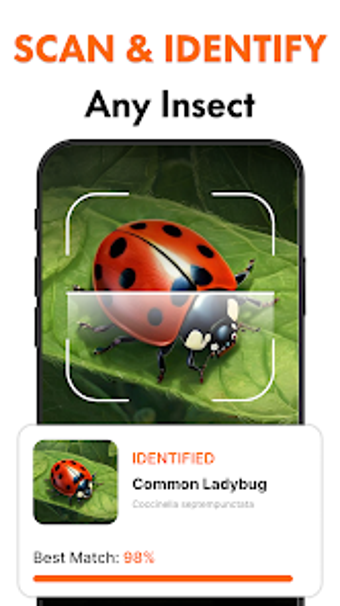
Bug Identifier: Bug Finder from IObits Apps helps users identify insects and other arthropods on Android devices. It analyzes camera photos with cloud AI, delivers identification suggestions ranked by confidence, and presents scientific names and concise species notes for quick field use. The app includes searchable species profiles, pest-management tips, educational facts, plus gallery upload and a personal history. Suited to gardeners, hikers, students, and teachers seeking immediate species context during outdoor learning and casual observation.
What educational role does the app play during outdoor study?
The app acts as a digital field guide, offering species profiles, educational facts, and pest-management tips that support inquiry-based observation. Those materials give learners factual context about habitat and behavior while encouraging investigation rather than rote labeling. Teachers can use short species descriptions as prompts for discussion or simple research tasks, and casual learners gain immediate background that links a sighting to a concrete classroom or garden question.
How effective is its image recognition for quick identification tasks?
The app processes camera photos using cloud-based AI and high-speed image processing to supply near-instant suggestions, which supports on-the-spot learning. Users can capture images with the device camera or upload photos from the gallery for analysis, so practical fieldwork and homework photos follow the same workflow. Quick feedback helps learners confirm observations and refine what to photograph for clearer future identifications.
Is the app appropriate across learner levels and outdoor settings?
The tool matches a broad amateur audience: gardeners, hikers, students, and teachers named as intended users, making it suitable for informal and classroom-adjacent activities. The Android distribution targets mobile field use, and the simple identification flow lets beginners get started without prior entomology knowledge. Educators planning group activities can rely on the app as an entry-level reference during short outdoor sessions.
How does it support project work and tracking of discoveries?
The app stores a personal identification history so learners can build a chronological record of observations for projects or citizen-science notes. Its searchable database of thousands of species supplies reference material that students can cite in reports. Compared with printed guides, the searchable history and quick lookups make repeated observation tasks and simple collection assignments easier to manage during a course or club activity.
The app is a practical companion for informal learners and classroom observation
The app is a practical choice for casual learners and educators who want rapid species context and an observation log, supported by the developer's focus on identification tools and generally positive user reception. One important consideration is that the cloud-based identification generally requires an active internet connection, which can limit use in offline classroom or remote-field conditions.
Pros
Near-instant identification via AI and high-speed image processing
Detailed species profiles including scientific names and habitat notes
Personal identification history for building observation records
Cons
Cloud-based identification generally requires an active internet connection
Results depend on clear, well-framed photographs for accurate analysis
Available only for Android devices, limiting cross-platform classroom deployment
Laws concerning the use of this software vary from country to country. We do not encourage or condone the use of this program if it is in violation of these laws. Softonic may receive a referral fee if you click or buy any of the products featured here.